Research Impact Case Studies

We have supported over 100 humanitarian health research studies since 2013.

The premise: producing quality, relevant and useful evidence tailored to humanitarian priorities leads to strengthened interventions and better health outcomes for people affected by humanitarian crises.

Our case studies explore successful strategies and enabling factors for influencing humanitarian policy, practice, knowledge and capacity with evidence.

Introduction

Demonstrating the impact of research

We have been at the forefront of humanitarian research for more than a decade, contributing to the growing body of evidence to inform humanitarian policy and practice. In that time, researchers and their funders – including us – have been increasingly called upon to demonstrate the impact of research on the wider sector.

It is critical that publicly funded evidence is reaching humanitarian actors who can use it to improve programmes, policy and practice for people affected by crisis. But the reality of doing this is not easy.

As we explored in our 2021 learning paper, ‘From Knowing to Doing’, there are multiple barriers for humanitarian researchers and their partners in translating evidence into use. Even when things go perfectly, the pathway for research to influence practice can take a long time – well beyond the timeline of a single study.

Communicating key lessons about research in crises

We’ve been working closely with our grantees over the last few years to tackle these barriers to effective research communication and translation.

We provide guidance, workshops and financial support to grantees to improve stakeholder engagement and research communications to amplify key learnings from the work we fund. We also collect data to better understand the impact each funded study has on humanitarian knowledge, capacity, networks, policy and practice.

Our research impact case studies capture more than findings – they speak to the complexity and challenges faced when producing research in humanitarian crisis contexts. Such learning is crucial to ensure that evidence of what works can be translated and applied in humanitarian response.


The project

The case studies

Our detailed case studies document the impacts of completed research studies on humanitarian policy and practice.

Every year, these case studies capture and explain the impact of our research grants, for sector-wide learning and accountability to our stakeholders. Explore our full set of case studies below.

The Research Impact Framework

Based on the case studies, and learning from a decade of health research funding and relevant literature, we have also developed The Research Impact Framework.

The Framework provides practical guidance to strengthen the impact of humanitarian health research on policy and practice. It outlines successful strategies that researchers can use to achieve research impact, and enablers which can help integrate evidence into humanitarian practice.

The Research Impact Framework was launched in 2023 via an online event, bringing together experts to examine the lessons learned from the case studies, and from their own experiences on the research-to-practice pathway.

Methodology

These were developed using a methodology based on Contribution Analysis involving triangulation and validation of reported results via stakeholder interviews, desk research and written testimonials. The case studies document impacts delivered, explore effective engagement and communication strategies used to engage stakeholders in research, and share lessons learned about the contextual factors and enablers that allow research to have influence.

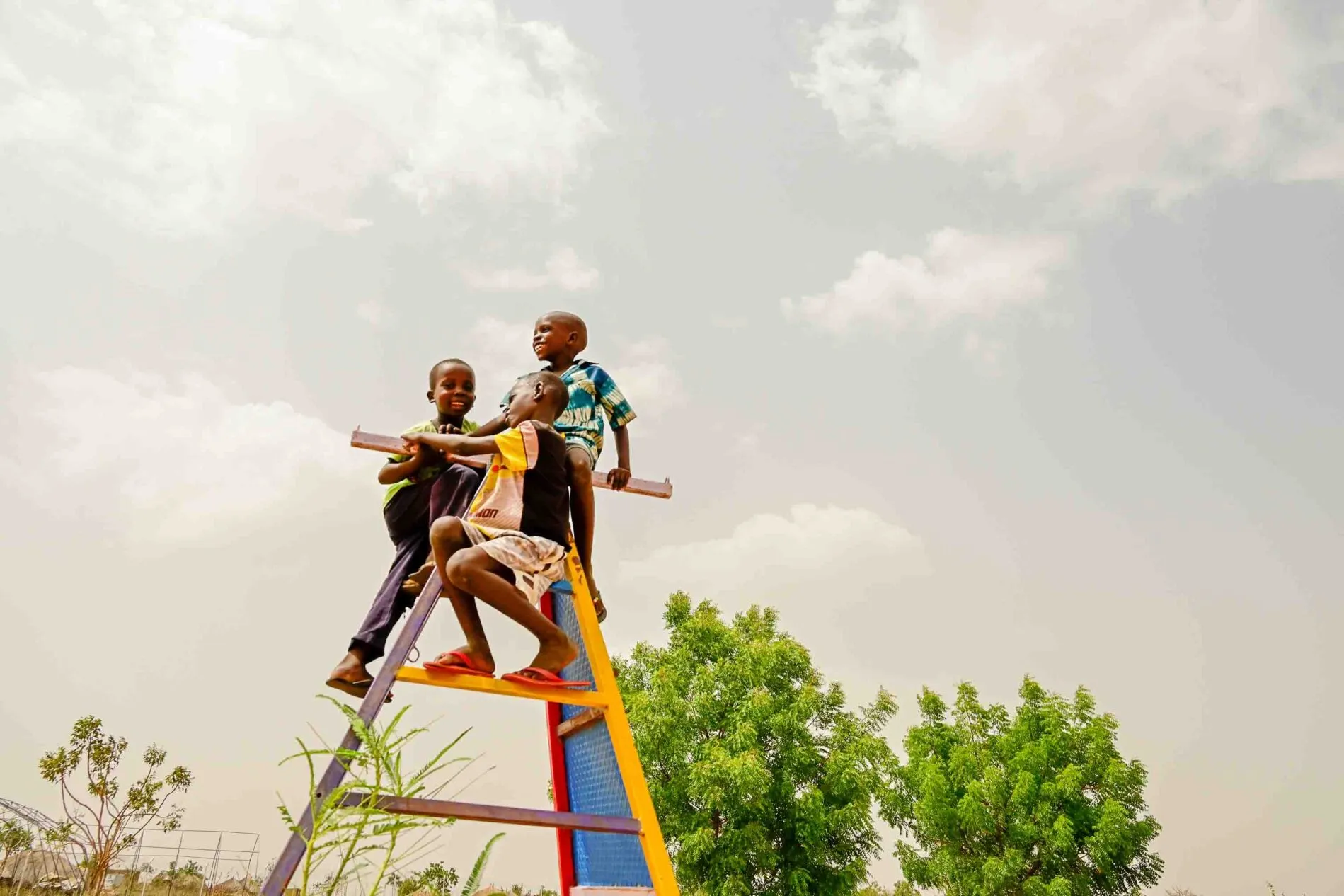
  1. Bidibidi Child Friendly Space, north west Uganda. Credit: Derrick Kyatuka/World Vision