


Integrating care for sexual and gender-based violence survivors in newly-restored sexual and reproductive health facilities in Amhara, Ethiopia


Project overview
The study explored gender-based violence (GBV) in Amhara, Ethiopia and quality of care for survivors to inform an integrated approach to comprehensive GBV care.
Countries
Ethiopia
Organisations
Ethiopian Public Health Association
Partners
Jhpiego, EngenderHealth, Amhara Regional Health Bureau, Bahir Dar University, Vrije Universiteit Amsterdam, Addis Ababa University
Area of funding
Humanitarian Research
Grant amount
£390,499
Start date
01
March
2023
End date
31
May
2025
Project length (in months)
27
Funding calls
Focus areas
Topics
No items found.
Status
Closed
Project solution
This project offers [specific solution or intervention] to tackle [challenge]. By implementing [strategies, tools, or innovations], the project aims to achieve [desired outcomes]. The approach is designed to [specific actions or methods] to bring about meaningful change in [community, region, or issue area].
Expected outcomes
This project aims to achieve [specific outcomes], such as [measurable results, improvements, or changes]. The expected impact includes [benefits to the target community, advancements in research or innovation, or long-term effects]. By the end of the project, we anticipate [specific changes or milestones] that will contribute to [broader goals or objectives].

Dr. Tewodros W. Liyew
Jhpiego Ethiopia
Gender-based violence (GBV) is common in conflicts though the exact figure is often underestimated. Furthermore, survivors of GBV don,t have access to proper medical care. This research will shine light on the magnitude of the problem and how to equip the newly restored facilities to respond to such important needs.
Principal Investigators: Professor Negussie Deyessa (EPHA/Addis Ababa University), Professor Jacqueline Broerse (VU)
Research Snapshot: How conflict-affected health systems fail gender-based violence survivors
This mixed methods study in two conflict-affected districts in Ethiopia found significant gaps at all levels of the health system in access to and provision of survivor-centred care for women and girls who have experienced gender-based violence.
[.cta_link]Read the Snapshot[.cta_link]
What did the study set out to achieve?
The research aimed to:
- Investigate the prevalence of GBV, experiences of stigma, poor mental health, healthcare needs of survivors and barriers to service use.
- Assess existing GBV services and healthcare worker capacity.
- Propose an integrated approach to high-quality GBV care delivery;
- Develop insights for research, policy and practice on SRH and GBV health systems in conflict-affected areas.
Ultimately, the study aimed to contribute to alleviating the negative health and social effects of GBV by increasing understanding of it in the conflict-affected region of Amhara, Ethiopia. It sought to explore the needs of women and girls to understand how high quality services for GBV survivors can be made available and accessible.
The research aimed in the short term to develop service delivery models and protocols outlining competencies for integrated GBV care. As a result of the research the team developed GBV guidelines to be validated with stakeholders, and an e-learning module to train healthcare providers in survivor-centered knowledge, attitudes, and practices.
What were the key findings?
- Around 25% of women and girls experienced lifetime intimate partner violence (IPV), and a similar proportion experienced gender-based violence GBV during conflict with sexual, physical, and emotional IPV, frequently overlapping.
- South Wollo had higher IPV rates, while North Wollo showed more severe mental health impacts(post-traumatic stress disorder, anxiety, depression).
- Over 70% of survivors faced stigma and adverse norms from communities and staff, and only3.5% sought formal health care due to fear, shame, costs, and limited access. Many survivors turned to non-formal services, traditional healers, religious leaders, or family because they mistrusted formal services.
- Health facilities lacked infrastructure, medications and supplies, and protocols for GBV care; providers reported low confidence, and harmful attitudes toward GBV and gaps in knowledge and skills were found in staff, indicating a need for training.
- Existing GBV policies displayed gaps in terms of inclusivity. Guidelines were weakly disseminated and insufficiently resourced for implementation.
What does this mean for policymakers and practitioners?
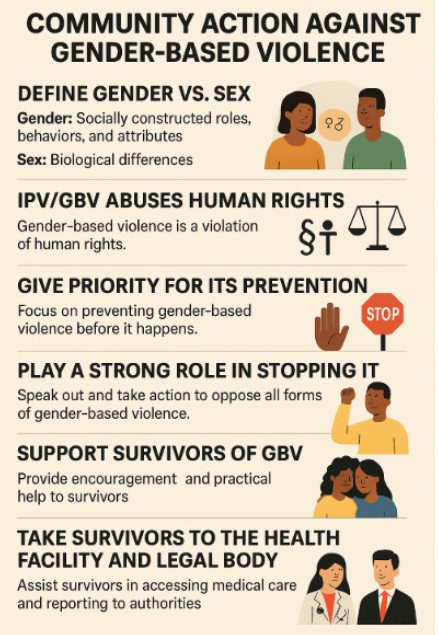
The study emphasises the need for policymakers and practitioners to act urgently. Policies and guidelines must be reviewed and revised to be inclusive of diverse survivor needs, considering the mental and physical health needs of conflict-driven GBV and IPV. This must be supported by adequate funding and multisectoral coordination, including local and national policymakers and practitioners. Engaging the community in gender advocacy is vital to addressing stigma, reducing harmful norms, and supporting survivors in seeking care. Addressing structural barriers, such as infrastructure gaps and transport limitations; improving facility supplies; training health workers in survivor-centered case management; and strengthening referral systems.


No items found.
Project delivery & updates
Stay up to date with the latest developments from this project. Here, you will find details on what has been delivered, resources created, and regular updates as the project progresses. Access key documents, reports, and other materials to see how the project is making an impact.
No resources/updates have been published yet for this project. Sign up for our newsletter to stay informed about upcoming publications and updates!
Join our Newsletter
Resources
Research Snapshot: How conflict-affected health systems fail gender-based violence survivors
Research snapshot
LEARN MORELatest updates
No items found.